Field entry — Gold Coast
How Australia built its casinos as tourism
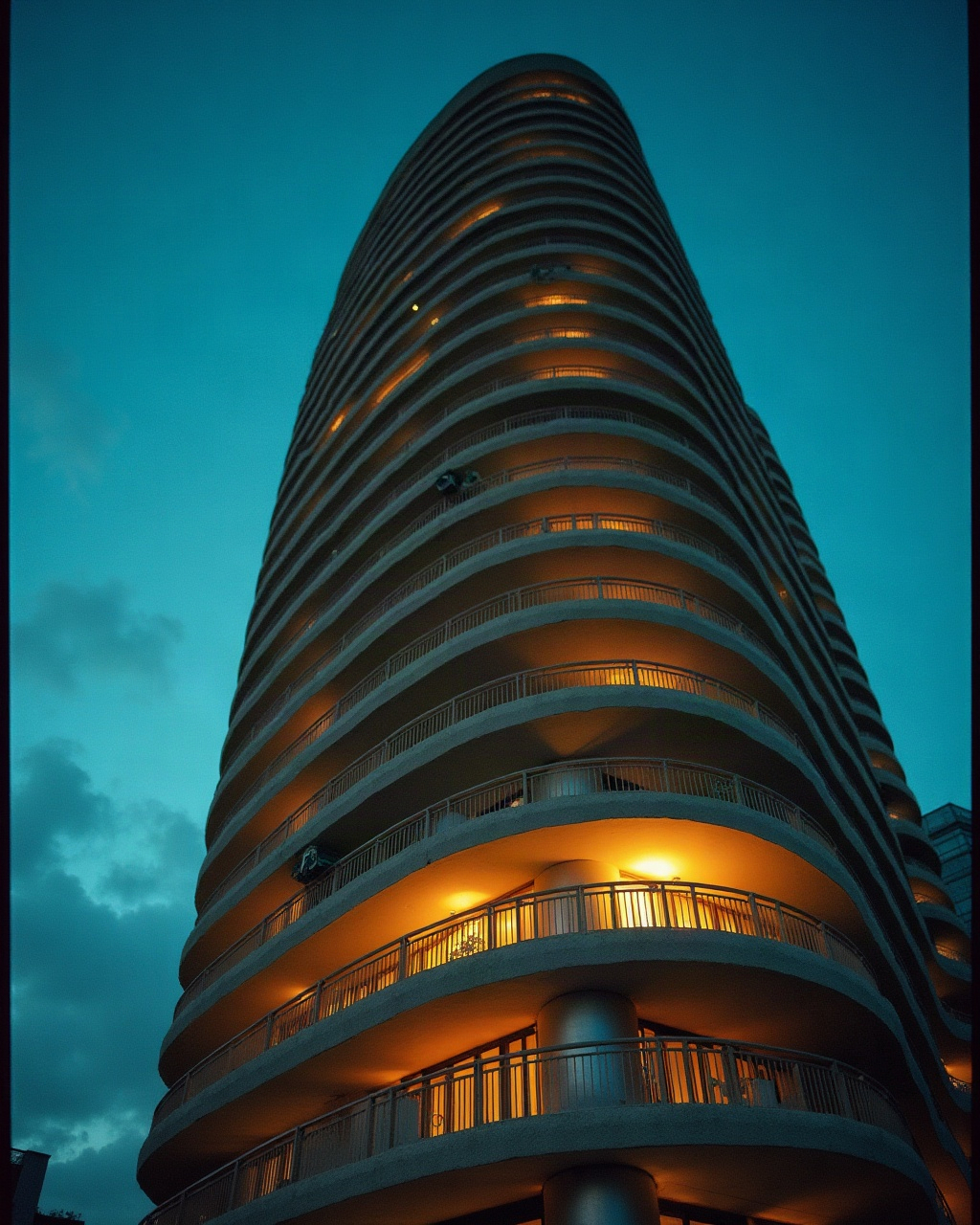
My father always said we went north for the water, but the year I remember best is the year we went north for the machines. I was nine; we drove two days with the boot full of thermoses, and by the time we reached the coast the sun had turned the harbour the colour of a struck match. The hotel we checked into stood over the water in a tower built like a wheel, its windows lit floor after floor, and I remember thinking a building had never looked so much like a lighthouse that had forgotten how to be useful.
We had gone north the year the casino floor on the Gold Coast first opened its doors, though nobody in the car used that word before we arrived. My grandmother, once we stood at the edge of the machines, called them the pokies — the word she'd always used for the one at the returned servicemen's club back home. The Americans queued at the next machine, in matching visors, called the same rows the slots. It took me most of the afternoon to work out that a casino was simply the room built to hold both of those words, spoken by people who had travelled very different distances to say them.
Nothing is wagered through these pages and nothing is banked here — Floorplate operates no casino, no book and no gaming service of any kind; it is a notebook about how buildings of this type were financed, raised and marketed as destinations.
What this notebook keeps, and what it doesn't
Floorplate is kept the way you would keep a notebook on a building you had become quietly obsessed with — page by page, correction by correction, more concerned with who signed the licence and who poured the slab than with anything happening on the floor tonight. It follows the tower rather than the table: the architect's name, the year the concrete was poured, the metres between the water and the nearest window.
It is not a place to book a room, hold a table or place a bet. Floorplate takes no reservations and keeps no floor of its own — only a long shelf of other people's floors, built up from council records, old brochures and the occasional retired pit boss willing to talk about the carpet.
Three floors, three dates
The fuller history runs page by page; here is the shape of it in three openings.
- 1973
Sandy Bay, Hobart
The country's earliest lawful casino, and the licence went to its least populous corner rather than to a mainland capital.
- 1985
Burswood Island, Perth
The largest casino floor in Australia at opening, and reportedly the third-largest anywhere in the world.
- 1997
Pyrmont, Sydney
A permanent building on former dockland replaces the temporary casino that had opened two years earlier.
The floor was never the whole building. You can read the entire social history of how this country chose to sell itself to visitors in the beam that holds up a casino roof — who engineered it, what it was allowed to look like, and which coastline was judged ready to learn how to host.
Elsewhere in this notebook
Found something we've got wrong?
Floorplate is kept by one editor and corrected, often, by readers who know a building better than she does — a licence date, an architect's name, a floor that was retiled rather than rebuilt. Write in with a correction, a question or a source, and it goes straight to the person keeping the notebook, not a general inbox.